
Make the idea tangible.
Try a working prototype early. Find out what helps and what needs to change while changing it is still inexpensive.
A new way to develop
AI can accelerate the build. You still need the right thing built, the confidence to put it into use, and someone to own what happens next.
A Principal sets the business direction. A dynamic team brings five complementary talents to your project, with people and skills adapting as the work moves from idea to operation.
A Principal. A dynamic team. Five essential talents.
The development model has to change, too.
AI changes how software gets made. Framing the right problem, connecting disciplines, and knowing what good work looks like become even more valuable.
Our development retainer provides agreed build capacity with Principal oversight, a shared roadmap, and regular demonstrations. The team brings the five talents your project needs. Members may span talents, and the scope determines the people and capacity involved.
Try a working prototype early. Find out what helps and what needs to change while changing it is still inexpensive.
Production systems, simpler designs, adoption, and maintenance all need an owner. We make those responsibilities explicit.
Use what people do and what the system delivers to decide where the next investment belongs.
The Principal / Strategic leadership
Five talents move the work forward.
The Principal makes sure it is the right work.
What your retainer pays for
Experienced judgment, close to your business. Someone who knows the context, asks the hard questions, and stays accountable for the direction.
Connect the business goal to the next useful step.
Challenge assumptions. Clarify tradeoffs. Know when to stop.
Bring in the right talents and keep the work tied to results.
Your development retainer combines Principal oversight with agreed build capacity, a shared roadmap, and regular demonstrations. Major new scope receives its own agreement.
Meet the five delivery talents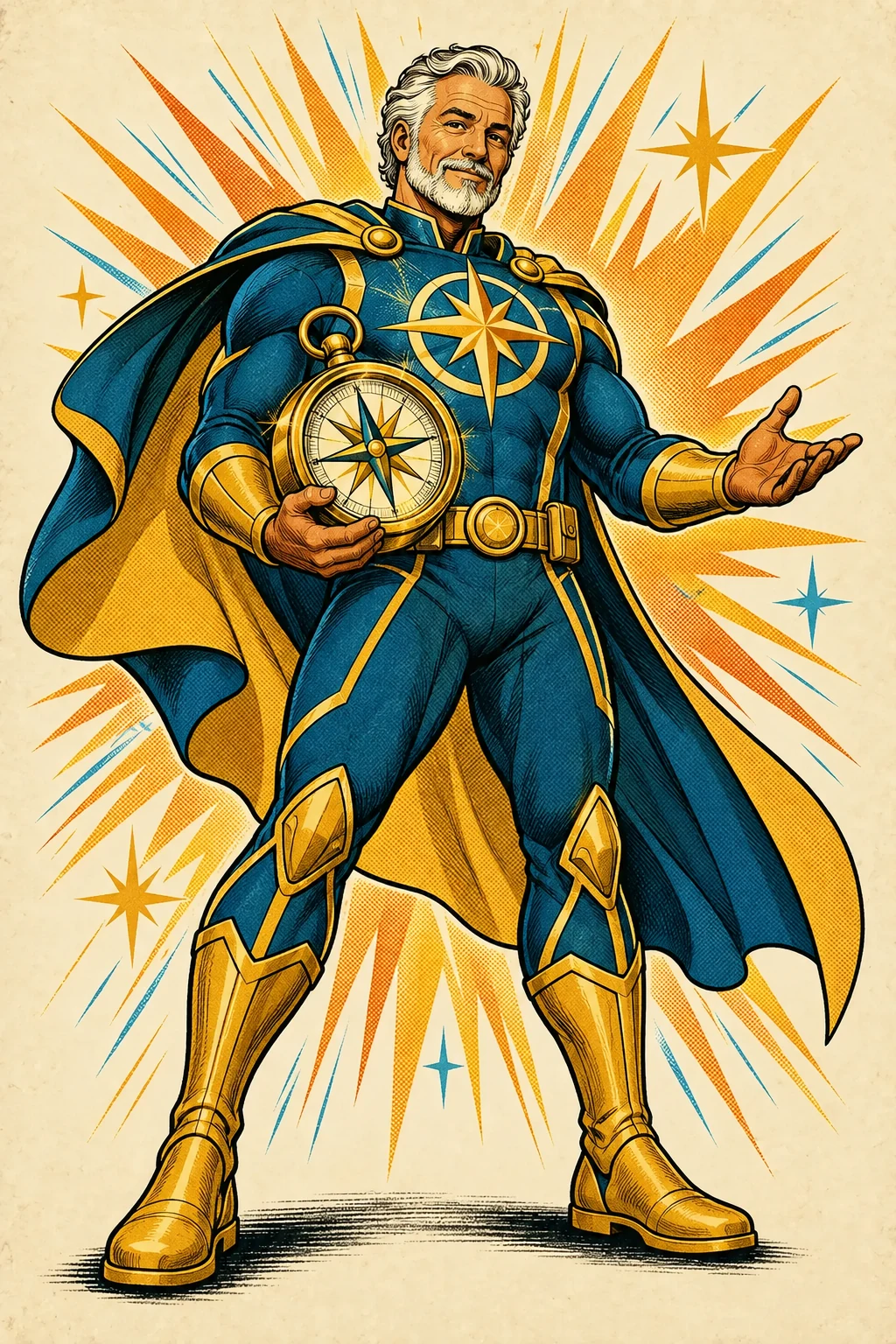
Keeps the business goal clear, the team aligned, and the work worth doing.
Strategic Advisor & Engagement LeadJudgment · Direction · Accountability
Five talents, familiar responsibilities
The traditional job responsibilities remain recognizable. We organize them into five talents that work together. The gray titles under each character show how conventional roles map to the talent it brings.
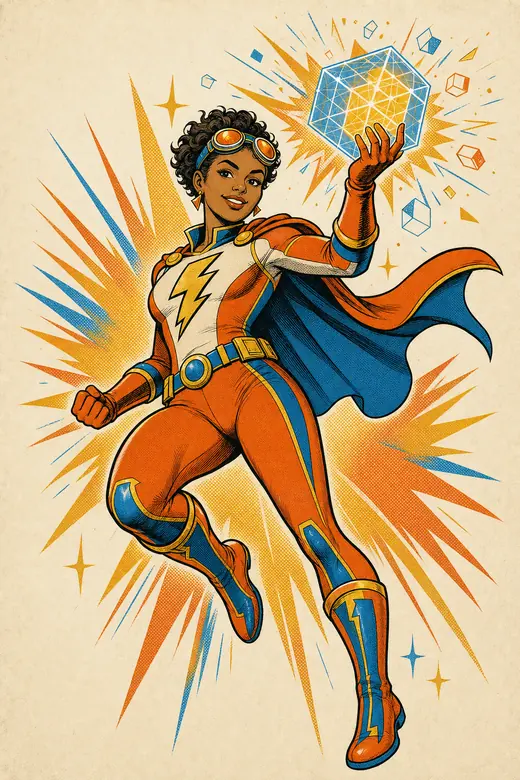
01 / Sketch
Is this the right thing to build?
Builds a clickable version of your problem early, cheap enough to throw away if the answer is no.
Put something in your people’s hands while there is still room to change direction. Their response helps decide what deserves the next investment.
What this gives youA working idea to test before a larger commitment.
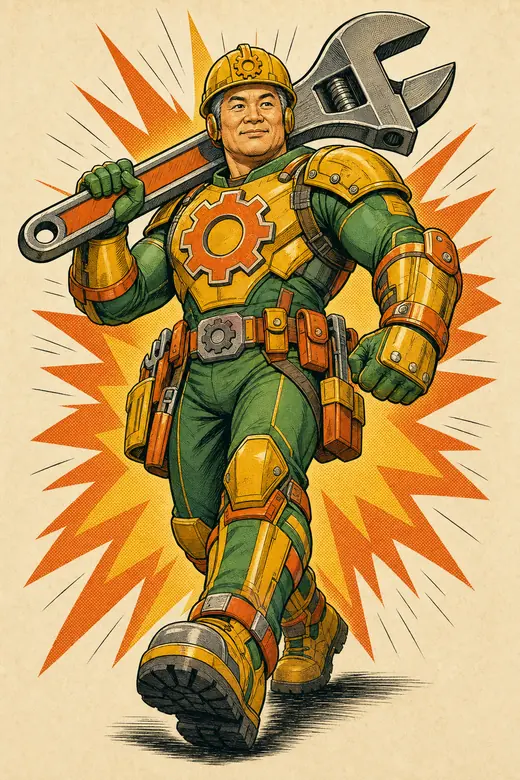
02 / Ship
What has to be true before this goes live?
Rebuilds the prototype to run in production, inside your systems, with the unglamorous parts finished.
Connect the data, permissions, and workflows the product depends on. Test how it behaves when real people and real exceptions arrive.
What this gives youA build prepared for the environment where it will be used.
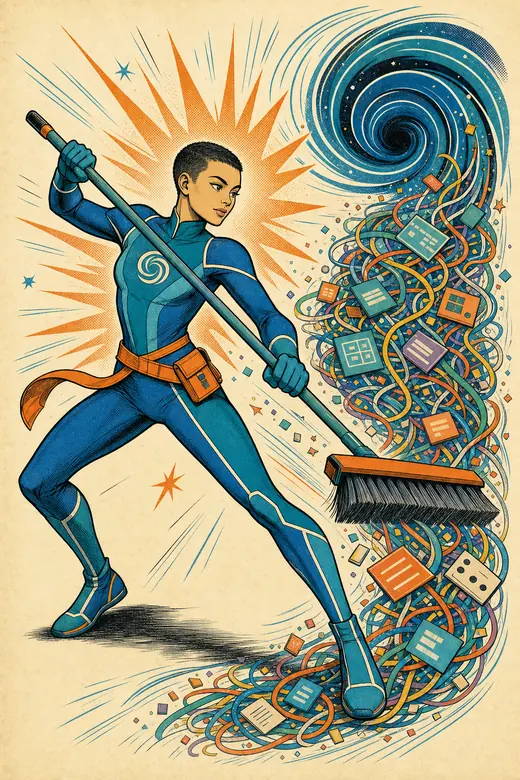
03 / Simplify
What can we take out?
Cuts the build down after it works: fewer moving parts, smaller bills, less for your people to learn.
Fast building can leave unnecessary complexity behind. Simplify the code, the tools, and the experience so the product is easier to run and change.
What this gives youLess complexity for your people to carry.
04 / Signal
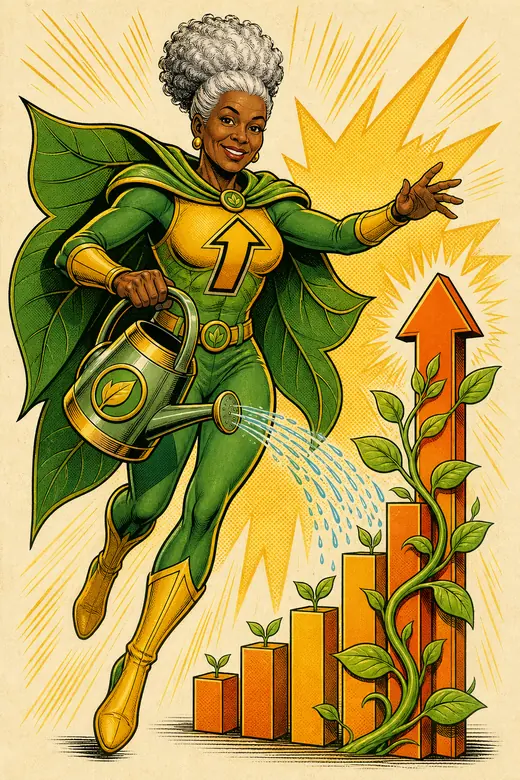
Will people keep coming back?
Tracks which uses people come back to after the novelty wears off, so the next build follows evidence.
Look at how the product is used and where people still struggle. Let that evidence shape what to improve, expand, or leave behind.
What this gives youA next step grounded in use and feedback.
05 / Steady
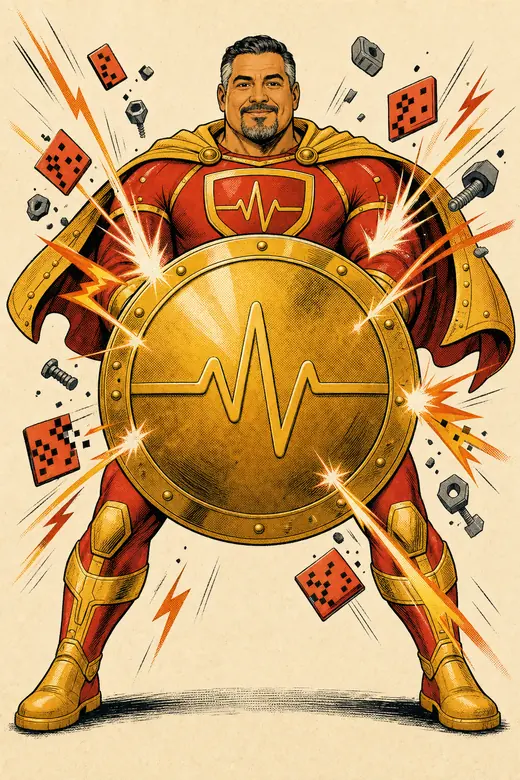
Who owns it after launch?
Owns the system after launch, watches it in production, and tells you plainly when it stops paying.
Keep reliability, updates, and ongoing value in view. Make ownership clear so the product has someone looking after it when the launch is over.
What this gives youClear responsibility for the work that follows shipping.
A connected team, through every lap
These roles work together as the product develops. A question from real use can send the team back to the prototype. A simpler design can make the next release easier.
The Principal keeps the business objective and priorities visible. The team adjusts its skills around the work, with clear decisions about what to continue, hand off, or stop.
What we develop
The development team brings together the application, the knowledge, and the connections your solution needs.
Tools designed for a defined job, a real user, and the workflow around them.
Retrieval grounded in your own documents, with citations people can check.
Integrations that let the right tools work with your existing systems and permissions.
The data platform and governance work the solution needs to be useful in practice.
The engagement
No. The five talents describe responsibilities. The mix and capacity change with the project under Principal direction.
Committed monthly build capacity, Principal oversight, a monthly direction session, and roadmap review. New major scope receives a separate agreement.
Yes, when scope and acceptance can be defined clearly. The same Principal-led delivery model applies.
Start with the thing that needs to work better.
Bring the problem, the people it affects, and what a better outcome would look like. We will help you shape a useful first step and the team it needs.